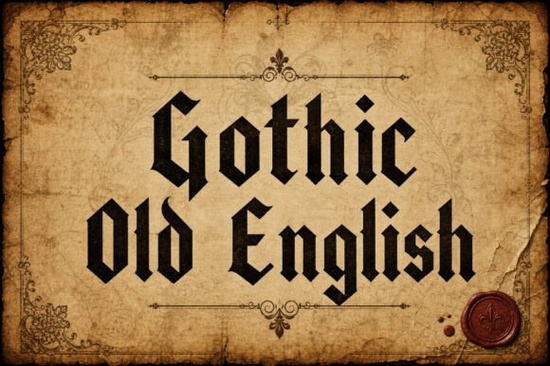
If you're looking for a blackletter typeface that carries real historical weight, Gothic Old English is a strong option worth considering. This display font draws from medieval calligraphy traditions with sharp edges, bold strokes, and a distinctly authoritative presence. It's designed for projects where you need a typeface that feels rooted in history but still works in modern design contexts.
As someone who works with fonts daily, I've seen plenty of Old English-inspired typefaces come and go. What sets this one apart is its solid goth-inspired structure and the way it balances readability with decorative flair. Let me break down what you get, who it's for, and how to actually use it well.
What Makes This Font Different from Other Blackletter Typefaces?
Not all blackletter fonts are created equal. Some lean too far into ornamental territory and become hard to read at smaller sizes. Others strip away the character so much that they lose the medieval feel entirely.
Gothic Old English sits in a practical middle ground. Here's what stands out:
- Solid letter structure Each character has weight and presence, so it doesn't disappear when used as a headline or logo element.
- Sharp, defined edges The strokes are clean rather than weathered, which keeps it looking polished even at larger scales.
- Authentic Old English character It stays true to blackletter conventions without becoming a parody of medieval typography.
- Works in both print and digital You can use it on screen or in print without losing clarity.
If you've been browsing blackletter fonts and feeling overwhelmed by options, this one is a reliable starting point for projects that need a classic, commanding typeface.
Who Is This Font Best For?
This isn't a font for body text or long paragraphs. It's a display typeface, which means it works best at larger sizes think headlines, logos, titles, and decorative elements. Here are the people who will get the most out of it:
- Logo designers Need a brand mark that feels established and authoritative? Blackletter fonts signal tradition and strength.
- Print-on-demand sellers Apparel designs, mugs, and posters with gothic or vintage themes benefit from this style.
- Tattoo artists Old English lettering remains one of the most requested styles in tattoo shops.
- Event designers Wedding invitations, graduation certificates, and formal event materials often call for this aesthetic.
- Album and poster designers Music genres like metal, hip-hop, and punk have long embraced blackletter typography.
- Small businesses Breweries, barbershops, law firms, and other brands that want to project heritage or craftsmanship.
What Projects Work Well With Old English Typography?
Knowing where this font shines helps you avoid common mistakes. Here are practical use cases that actually work:
Branding and Logo Design
A blackletter typeface in a logo immediately communicates tradition, authority, and permanence. It works particularly well for brands in food and beverage, fashion, or professional services. Just make sure the font pairs well with a simpler sans-serif for supporting text.
Apparel and Merchandise
Gothic lettering on t-shirts, hoodies, and hats continues to sell well across print-on-demand platforms. The bold strokes of this font reproduce clearly on fabric, which is essential for merchandise that needs to look sharp at a distance.
Posters and Album Art
Whether it's a concert poster or a music release cover, blackletter fonts create an immediate visual mood. The medieval aesthetic pairs naturally with darker, more dramatic design themes.
Certificates and Formal Documents
There's a reason Old English fonts show up on diplomas, awards, and ceremonial documents they carry a sense of formality and importance that modern typefaces often lack.
How to Pair This Font with Other Typefaces
One of the most common mistakes with blackletter fonts is using them for everything in a design. Here are some pairing tips:
- Use Gothic Old English only for headlines, titles, or logo text.
- Pair it with a clean sans-serif like Montserrat or Open Sans for body copy.
- A simple serif like Garamond also works well if you want a more traditional feel throughout.
- Avoid pairing it with other decorative or script fonts too many competing styles create visual noise.
- Keep letter-spacing slightly wider than usual for legibility at medium sizes.
Things to Keep in Mind Before You Buy
A few honest notes based on working with blackletter fonts regularly:
- Check the license Make sure the usage rights cover your specific project, especially for commercial work or POD platforms.
- Test at your actual size Display fonts can look different at the size you'll actually use them. Always preview before committing.
- Consider your audience Blackletter fonts carry strong cultural associations. Make sure the style matches your project's tone and context.
- Limit usage A little Old English goes a long way. Use it as an accent, not the foundation of your entire design.
Quick Checklist Before Using This Font in Your Next Project
- ✅ Is the font used for a headline, logo, or display purpose (not body text)?
- ✅ Did you pair it with a readable secondary font for supporting text?
- ✅ Did you preview at the actual size it will appear in your design?
- ✅ Is the license compatible with how you plan to use it?
- ✅ Does the medieval/gothic style match your brand or project tone?
- ✅ Have you checked spacing and kerning at your chosen size?
Next step: If this font fits your project needs, grab it and test it in a quick mockup before building out your full design. A five-minute test saves hours of rework later.
Explore Design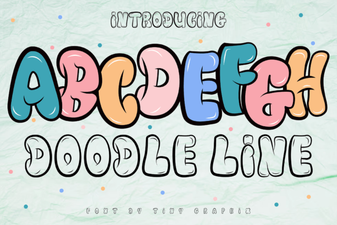 Doodle Line Font - Fun Hand-Drawn Display Typeface Free Download
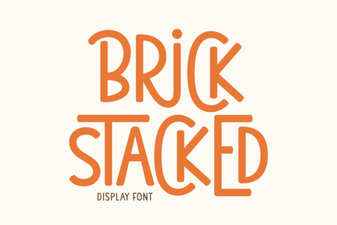 Brick Stacked Font: Bold Typography Ideas for Creative Projects
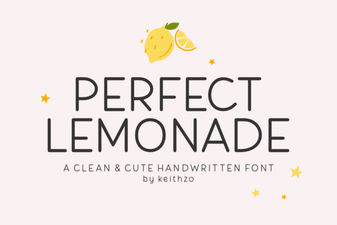 Perfect Lemonade Font for Fun and Creative Design Projects
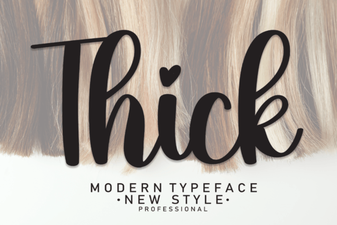 Bold Thick Script Fonts for Eye-Catching Designs
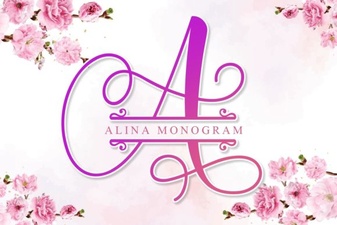 Elegant Alina Monogram Font for Creative Design Projects
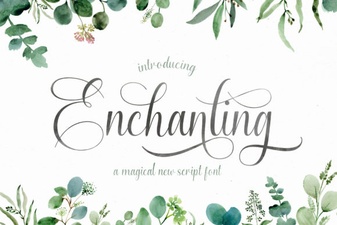 Enchanting Script Font – Elegant Flowing Calligraphy Typeface