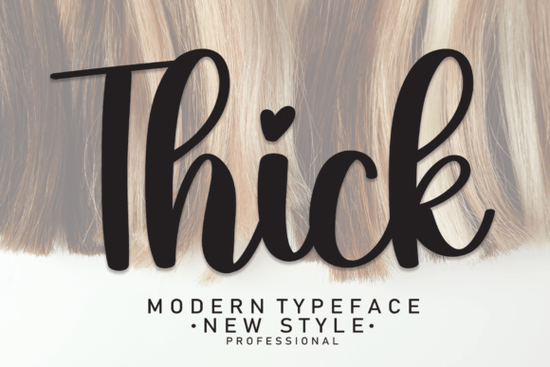
If you've been searching for a bold, hand-lettered script font that actually holds its own at larger sizes, Thick Font is worth a closer look. It's a chunky, connected typeface built for projects where text needs to grab attention wall art, wedding invitations, social media posts, product labels, and more. Below, I'll break down what makes it useful, where it works best, and how to pair it with other fonts in your collection.
What Exactly Is Thick Font?
Thick Font is a bold script typeface with a distinctly hand-drawn character. The letterforms are wide, rounded, and flowing giving designs an approachable, handmade feel without looking messy. It's the kind of font that works well when you need your text to be the focal point, not just a supporting element.
You can grab it from the Thick font product page on Creative Fabrica, where it comes with standard licensing for both personal and commercial use.
Where Does This Font Work Best?
Bold script fonts like this one tend to shine in specific situations. Based on the design style and letter weight, here are the projects where Thick fits naturally:
- Wall displays and posters The heavy weight keeps text readable from a distance.
- Wedding invitations and stationery The flowing script adds elegance without feeling too formal.
- Social media graphics Bold text pops in crowded feeds, especially for quotes or announcements.
- Product packaging and labels Works well for artisan brands, handmade goods, and boutique products.
- Watermarks and photography overlays Chunky letters stay visible even at lower opacity.
- Logos and branding Great for small businesses that want a personal, craft-style identity.
It's particularly useful for print-on-demand sellers who need fonts that look clean on mugs, tote bags, and t-shirts. Bold lettering tends to reproduce well across different printing methods, which makes this a practical everyday choice.
What Other Script Fonts Pair Well With Thick?
One font rarely does all the work on its own. If you're building a design toolkit, it helps to have a few complementary script fonts on hand. Here are a few options worth considering alongside Thick:
- Cherry A lighter, more delicate script that contrasts nicely with Thick's bold weight. Use Cherry for subtitles or secondary text.
- You Are My Rainbow A playful, expressive script with decorative flair. Good for greeting cards and fun branding projects.
- Natural Handwriting A casual, everyday handwritten font. Less formal than Thick, which makes it great for informal designs and journaling layouts.
- Enchanting Script A flowing, elegant option with more traditional calligraphy roots. Works well for formal invitations and upscale branding.
Pairing a bold font like Thick with a thinner script creates visual contrast, which helps guide the viewer's eye through your design. Think of it like using a headline font alongside a body font different weights do different jobs.
How Do You Get the Best Results With Bold Script Fonts?
Here are a few practical tips I've picked up from working with heavy handwritten typefaces:
- Give it breathing room. Bold fonts need more letter spacing and line height than you might expect. Tight spacing makes thick letters feel cramped.
- Limit your font choices. Pair Thick with one, maybe two, other fonts max. Too many styles in one design creates visual noise.
- Test at the right size. A font that looks great on screen might feel different in print. Always do a test print at actual size before finalizing.
- Watch your color contrast. Heavy letterforms can blur together on low-contrast backgrounds. Make sure there's enough difference between the text and the background.
- Use it for emphasis, not paragraphs. This is a display font it works for headlines, titles, and short phrases. Don't set long paragraphs in a bold script.
Is Thick Font a Good Fit for Your Projects?
If you regularly design invitations, social media posts, product packaging, or wall art, having a reliable bold script in your toolkit saves time. Thick handles those use cases well because of its weight and readability at display sizes.
It's not trying to be a refined calligraphy font and that's the point. It's meant to look handmade, confident, and a little bit loud. For crafters, small business owners, and designers who need that kind of energy, it earns its spot.
Quick Checklist Before You Buy
- ✅ Check that the font includes the characters and glyphs you need (uppercase, lowercase, numbers, punctuation).
- ✅ Confirm the license covers your intended use (personal, commercial, print-on-demand).
- ✅ Test it in your design software to make sure it renders the way you expect.
- ✅ Download at least one complementary font to pair with it for layouts with multiple text levels.
Next step: Grab Thick Font, open up your design tool, and try it on your next project. A quick mockup will tell you faster than any review whether it's the right fit.
Learn More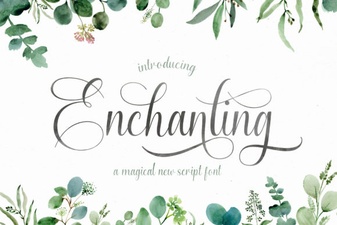 Enchanting Script Font – Elegant Flowing Calligraphy Typeface
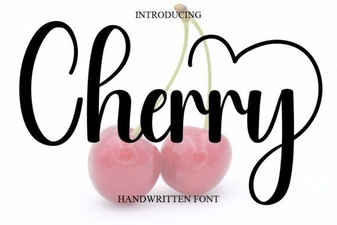 Cherry Font - Free Script Font Download | Elegant Handwritten Typeface
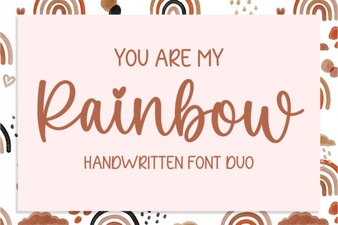 You Are My Rainbow Font: Creative Typography Ideas
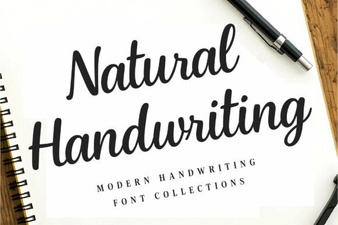 Best Natural Handwriting Fonts for Creative Design Projects
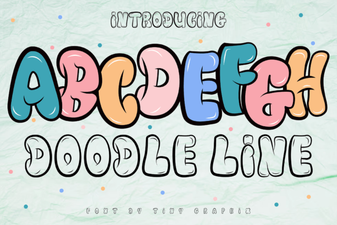 Doodle Line Font - Fun Hand-Drawn Display Typeface Free Download
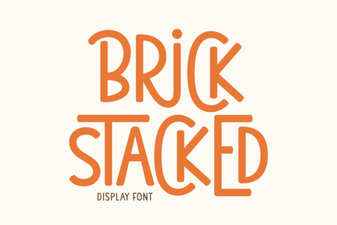 Brick Stacked Font: Bold Typography Ideas for Creative Projects